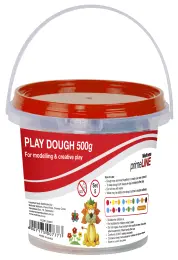
Choosing and Using Modelling Clay & Play Dough
When selecting modelling clay and play dough, consider the age and skill level of the user. Soft, pliable doughs are ideal for younger children, allowing for easy manipulation and creativity without frustration. For older students or more advanced projects, firmer clays that hold their shape may be more appropriate.
It's also important to think about the drying process. Some clays air-dry, while others can be baked to harden. Choose according to the intended use of the finished product; for example, air-dry clays are excellent for projects meant to be painted afterwards, while baked clays can become durable keepsakes.
Additionally, consider the colours and textures available. Bright, vibrant colours can make projects more engaging for children, and having a variety of options allows for imaginative combinations. Encourage learners to explore mixing colours to create unique shades, enhancing their creative experience.
Finally, always prioritise safety by choosing non-toxic and hypoallergenic products, especially for younger children who may be prone to putting materials in their mouths. With the right modelling clay or play dough, learners will be equipped to transform their ideas into tangible creations while developing essential skills.